
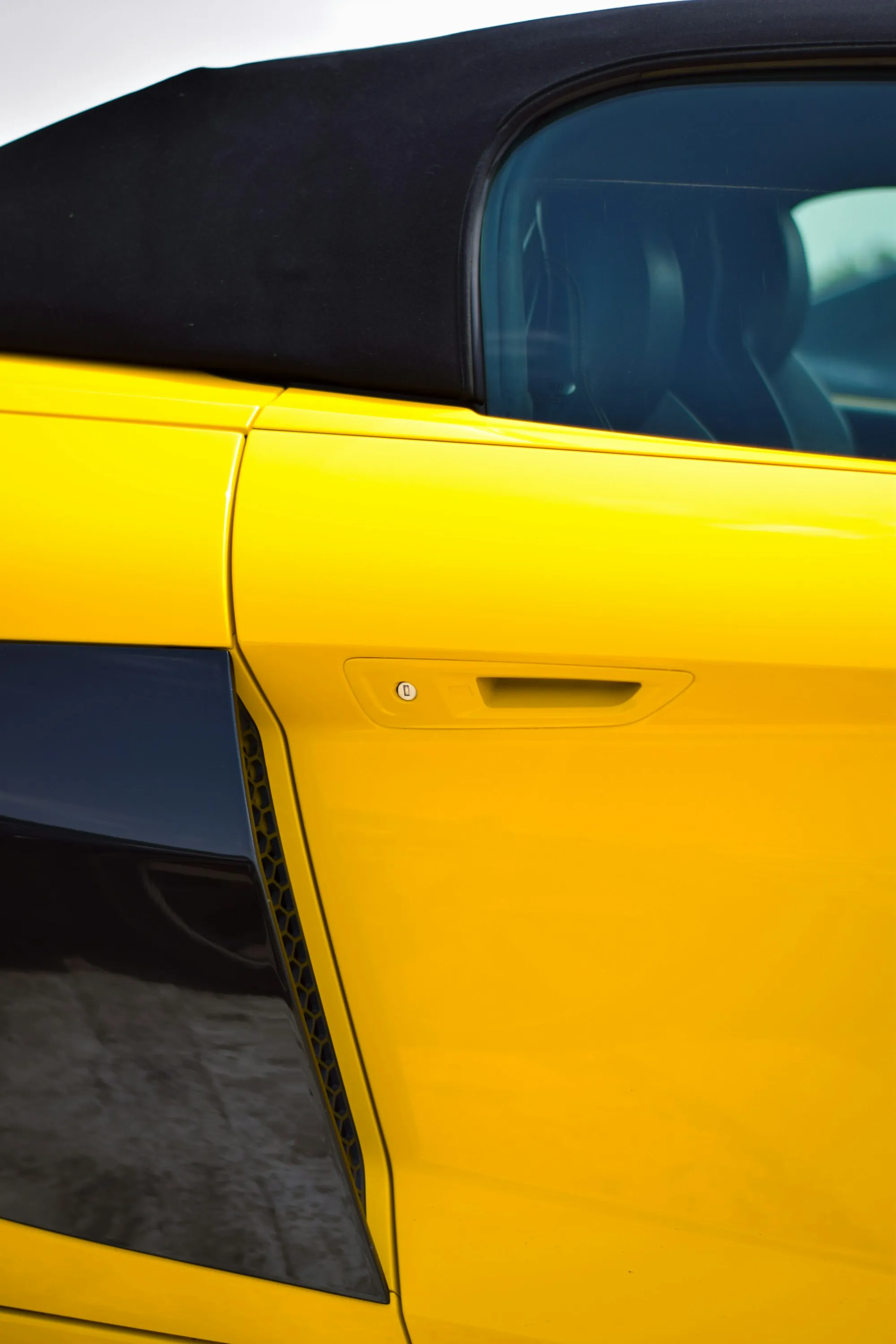
Factory paint preserved
Paintless Dent Repair in Highland Park That Preserves Factory Paint
Factory paint is the best paint your car will ever wear. When a ding from a tight space in an Uptown garage leaves it unbroken, we can reshape the metal and leave that finish exactly as it was.
Ask whether your dent is a candidate at (000) 000-0000Reshaping Metal Without Disturbing the Finish
Paintless dent repair relies on patience and an extraordinary feel for metal. Working through hidden openings, a technician applies slender steel rods to the inner skin, or uses glue tabs on the outside, and moves the metal in tiny, deliberate pushes until the dent is gone. A specialized light board shows the panel's reflection, so each push can be judged precisely. With no filler, primer or new color in play, the original finish and its factory texture remain intact, which matters to collectors and to anyone thinking about resale. The method suits dings, soft creases and hail damage where the paint has not cracked. Alloy hoods and fenders are often suitable as well, though they call for a lighter touch.
What Our Paintless Service Includes
These are the elements of a paintless repair as we perform it. Your technician will explain which apply to your dent.
Suitability assessment
We check the paint for cracks, measure film thickness and examine the dent's depth and location. If paintless repair cannot deliver a flawless result, we will tell you so.
Discreet access planning
Most dents are reached through existing openings such as lamp housings or inner trim. We avoid drilling access holes whenever another route exists.
Slender rods on the inner skin
Shaped rods apply controlled pressure from the inside of the panel. Hundreds of small movements gradually return the metal to its original contour.
Glue-tab pulling
Where the back of the panel cannot be reached, specially formulated adhesive tabs pull the dent outward. The adhesive releases cleanly without harming the clear coat.
Settling the crowns with nylon
As the dent rises, small crowns can form around it. These are tapped down gently with nylon tools so the panel finishes level.
Restraint on aluminum panels
Aluminum is worked with extra care and sometimes gentle warming. That reduces the risk of cracking the paint on a stiffer alloy.
A marked chart after a hailstorm
After a storm rolls through University Park or Lakewood, every dent on each panel is marked for your insurer. The map keeps the repair thorough and the claim straightforward.
Final polish and inspection
A light polish removes any trace of adhesive or handling. The panel is then examined under fluorescent lamps from several angles.
The Paintless Process From Start to Finish
- 01
Assess the dent and the paint
Under a light board, we read the dent's shape and confirm the paint is intact. Access routes are identified and any trim that must come off is noted. You are told plainly whether paintless repair is the right choice.
- 02
Reshape with precision
The technician works the metal slowly, checking the reflection after each series of pushes. Interior trim and lamps removed for access are protected and set aside in order. Depending on the dent, the work may take one session or several.
- 03
Trim back on, light on the panel
Trim and lamps are reinstalled with fresh clips where needed. The panel is cleaned and inspected under multiple lighting angles. We then invite you to look closely and form your own verdict.
Why Choose Paintless Repair Through Us
Factory finish retained
Your car keeps its original paint, texture and paint-depth readings. That history speaks well to a future buyer or appraiser.
Candid advice
We will not force paintless repair on a dent that needs conventional work. A clear recommendation spares you disappointment.
Gentle handling throughout
Panels, trim and interiors are treated with care during access. The car leaves as tidy as it arrived.
See If Your Dent Can Simply Vanish
Many dings and hail marks can be removed without a drop of new paint. A quick description by phone helps us tell you whether yours is a candidate.
Describe the ding to us at (000) 000-0000