
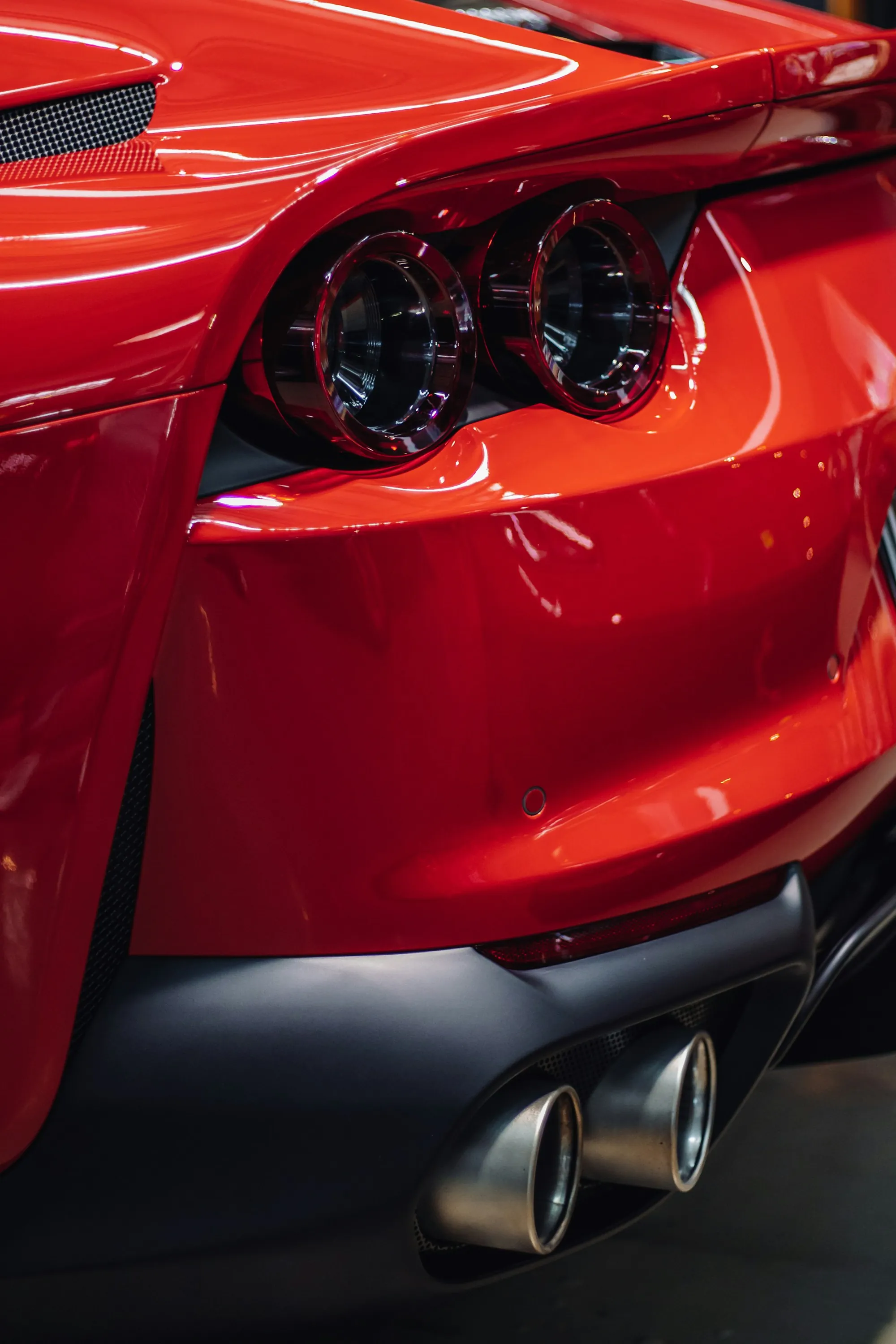
Front and rear bumpers
Bumper Repair & Replacement in Highland Park for Sensor-Equipped Cars
A gentle nudge in traffic on Central Expressway can crack a cover and shift the radar behind it. We look past the plastic to the parts that keep your driver-assistance features working.
Talk about your bumper with us at (000) 000-0000A Bumper Is Now a Sensor Housing
On a modern luxury car, the bumper cover hides far more than a foam absorber. Parking sensors, radar units for adaptive cruise and automatic braking, and sometimes cameras and lighting modules all sit within or behind it. Even a minor impact can move a bracket by a few degrees, enough to confuse those systems. That is why every bumper job here includes inspection of the reinforcement, absorber and mounting points, and a check of every sensor the cover carries. Covers with tears or broken tabs can often be plastic-welded and refinished; others are better replaced with the maker's part. Either way, paint is matched to the body so the bumper never appears a shade off.
Included With Our Bumper Service
These are the elements of a thorough bumper repair. We confirm which apply after removing the cover.
The cover comes off first
The bumper cover is removed so we can see brackets, absorbers and the reinforcement bar. Damage behind the cover is common even when the outside looks minor.
Plastic welding and reshaping
Cracks and torn tabs are repaired with nitrogen plastic welding and reinforced from behind when appropriate. Distorted areas are reshaped with gentle heat.
Maker-supplied replacement covers
When repair is not advisable, a new cover from the vehicle maker is fitted. Mounting holes and sensor openings line up as intended.
Absorber and bar evaluation
Foam and honeycomb absorbers are designed to crush once and must be replaced after doing so. Reinforcement bars are checked for bending and renewed if needed.
Sensor bracket checks
Brackets holding parking sensors and radar are inspected for cracks or misalignment. Single-use brackets are renewed rather than reused.
Flexible-part refinishing
Bumper paint includes a flex additive or adhesion promoter so it resists chipping and cracking. Color is matched to the adjoining body panels.
Radar and camera aiming
Front radar and any bumper-mounted cameras are aimed with targets to the maker's specifications. A diagnostic scan confirms the systems report correctly.
Fit and flush adjustment
The cover is aligned to the fenders, hood and lamps with even gaps and flush edges. Clips and fasteners are replaced where the originals were single-use.
How a Bumper Repair Unfolds
- 01
Examine the bumper and what lies behind it
We inspect the cover, then remove it to look at the absorber, bar and sensor mounts. A diagnostic scan records any driver-assistance faults. You receive a clear recommendation on repair or replacement and an itemized estimate.
- 02
Repair or renew the components
Damaged plastic is welded and refinished, or a replacement cover is prepared and painted. Absorbers, brackets and reinforcements are replaced as required. Sensors are transferred or refitted with care.
- 03
Calibrate, fit and verify
The bumper is installed and aligned to the surrounding panels. Radar and camera systems are aimed and confirmed with a final scan. A test drive checks that parking and assistance features behave as they should.
Why a Thorough Bumper Repair Matters
Hidden parts get attention
We remove the cover every time to inspect what sits behind it. Missed damage there can compromise both crash protection and sensor accuracy.
Assistance features restored properly
Aiming is performed to the maker's targets and confirmed by scan. You leave with systems that read the road accurately.
A seamless appearance
Paint, texture and fit are matched to the surrounding panels. From the curb, the bumper should look entirely original.
Have the Bumper and Its Sensors Checked
A small crack can hide a misaligned sensor or a crushed absorber. A short conversation will help us understand what happened and how to proceed.
Arrange a bumper inspection at (000) 000-0000